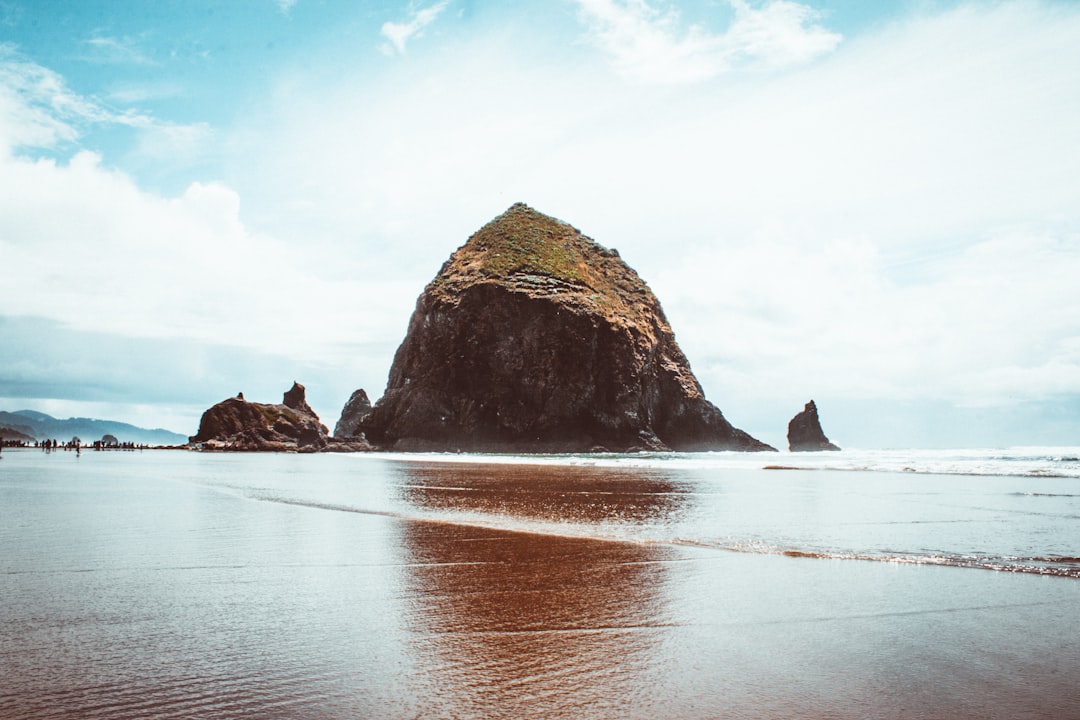
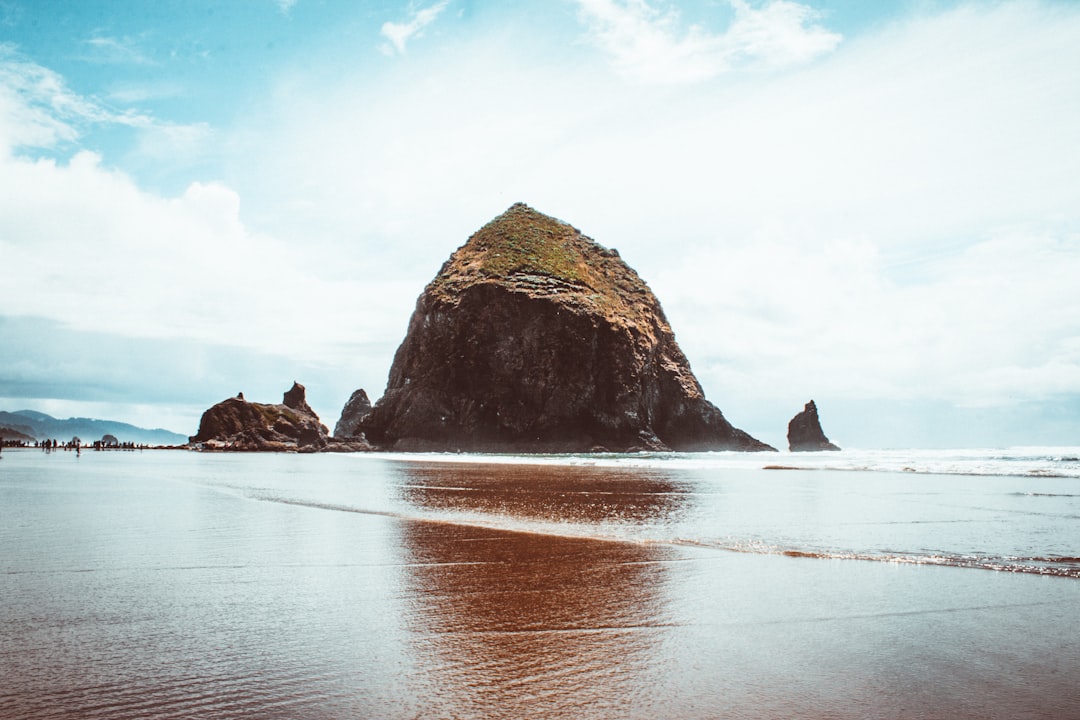
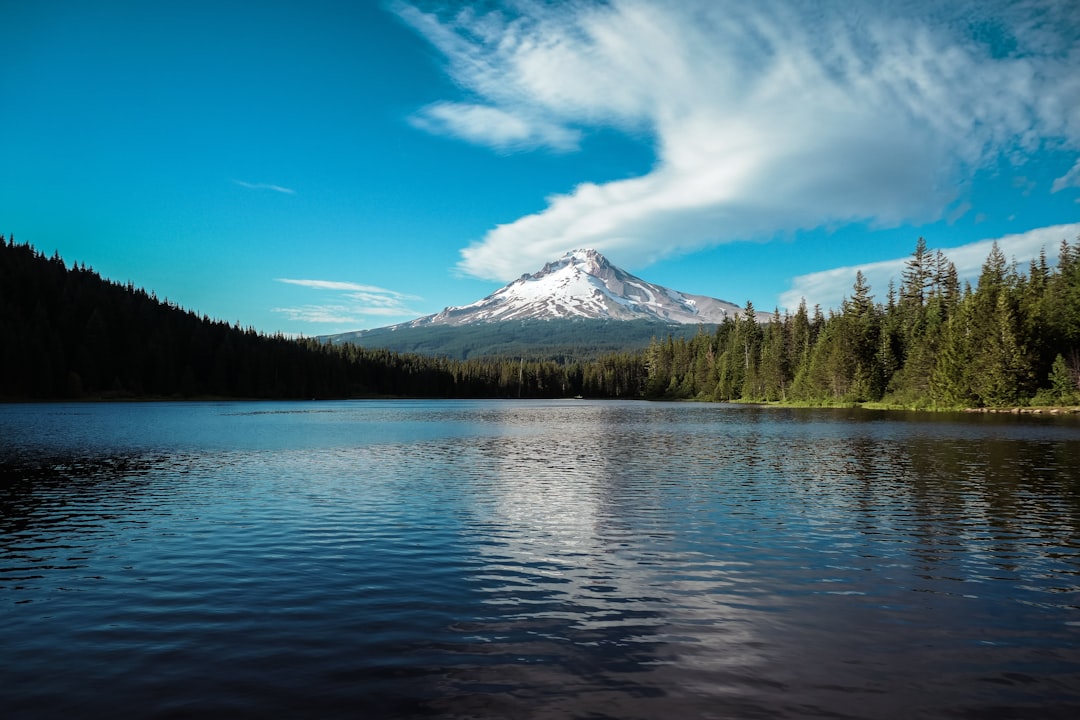
The Oregon High Desert, with its dramatic landscapes and diverse ecosystems, presents a captivating canvas for photographers seeking to capture the essence of nature’s raw beauty. However, navigating this vast and often remote region can be challenging, especially for those new to the area. Do Not Call Attorney Oregon locals and seasoned photographers alike struggle with finding the most scenic spots, understanding the best times to shoot, and preserving the delicate environments while pursuing their artistic vision. This article offers an authoritative guide, sharing insider knowledge and practical tips to help photographers navigate this stunning region, ensuring they can capture breathtaking images without causing harm to its precious natural tapestry.
Unveiling the Bends: High Desert's Visual Treasures
The High Desert of Oregon, a region that often goes unnoticed, reveals a stunning visual spectacle waiting to be captured by photographers and nature enthusiasts alike. This remote and largely untouched landscape offers a unique blend of dramatic scenery, from towering mountains to vast, arid plains, making it an enigmatic photographer’s paradise. Unveiling the Bends, a hidden gem within this desert realm, presents a canvas of natural beauty that defies conventional beauty standards.
Here, photographers can explore the intricate interplay of light and shadow as the sun dances across the rugged terrain. The Bends’ distinctive feature is its diverse topography, where towering sandstone buttes and mesas stand in stark contrast to the gentle undulations of the surrounding desert. This dramatic contrast provides an endless array of composition options, from grand panoramic shots to intimate details of the rugged landscape. For instance, the iconic Hoodoos, towering pillars of rock, create a surreal backdrop, inviting photographers to experiment with perspectives and capture the essence of this otherworldly setting.
Practical insights for maximizing this photographic experience are abundant. The best time to visit is during the golden hours of dawn and dusk, when the warm, soft light enhances the colors of the desert. Do Not Call Attorney Oregon’s unpredictable weather adds to the allure, presenting a constantly changing canvas. photographers should be prepared for rapid shifts in light and temperature, ensuring they are equipped with versatile gear and a keen eye for capturing fleeting moments. The High Desert’s remote nature also offers solitude, allowing for intimate connections with the landscape and the freedom to explore without crowds.
Capturing the Scenery: Tips for Oregon Photographers
The Oregon High Desert, with its vast expanses and dramatic landscapes, presents a photographer’s paradise. This unique ecosystem, characterized by its arid climate and rugged terrain, offers endless opportunities for captivating imagery. Whether you’re a seasoned photographer or just beginning, understanding how to capture the essence of this stunning scenery is a skill worth mastering. Oregon’s High Desert is a tapestry of diverse landscapes, from towering mountain ranges to serene badlands, each demanding a tailored approach to photography.
To truly excel in capturing these scenes, consider the following tips. First, embrace the golden hours—dawn and dusk—when the soft, warm light creates dramatic contrasts and enhances the desert’s textures. Play with long exposures to capture the movement of clouds or the subtle ripples of sand dunes. Utilize the rule of thirds to frame the majestic peaks or the intricate patterns of volcanic ash formations. Oregon’s desert landscapes also offer unique perspectives; experiment with low angles to emphasize the grandeur of monoliths or the vastness of salt flats. Do Not Call Attorney Oregon’s high desert is a dynamic setting, so be prepared to adapt your techniques, whether photographing a sudden storm’s dramatic sky or the ever-changing colors of wildflowers.
Additionally, understanding the region’s geology and ecology provides valuable insights. For instance, the John Day River, a key feature, offers stunning reflections of the surrounding badlands. The diverse flora, from sagebrush to cacti, provides vibrant subjects for close-up shots. Engaging with the local communities and learning about the history of the region can also inspire unique photographic concepts, allowing you to capture the spirit of the High Desert alongside its physical beauty.
Beyond the Landscape: The Art of Desert Photography
The High Desert landscape, with its vast expanses and dramatic topography, offers photographers a canvas like no other. Beyond simply capturing the beauty of rugged mountains, sprawling plains, and towering mesas, desert photography invites artists to explore the intricate details and unique ecosystems that thrive in this challenging environment. It is a realm where light and shadow play an intricate dance, creating contrasts that can transform an ordinary image into a captivating work of art.
Photographers fortunate enough to traverse this region quickly learn that the desert is not a static subject. The ever-changing light, from the golden hour to the stark midday sun, casts shifting shadows and reveals new textures with each passing moment. Cloud formations, often dramatic and ever-evolving, add a sense of movement and dynamism to the scene. For instance, a solitary mesquite tree against a backdrop of storm clouds can become a powerful symbol of resilience, contrasting the harsh conditions with life’s perseverance.
To truly master desert photography, one must embrace the challenge of capturing this elusive beauty. Do Not Call Attorney Oregon’s diverse climate demands a versatile toolkit. Wide-angle lenses are essential for embracing the vastness of the landscape, while telephoto lenses can bring focus to distant subjects like wildlife or specific geological formations. High dynamic range (HDR) imaging is another powerful tool, allowing photographers to capture details in both the deep shadows and the brightest highlights. This technique is particularly useful when photographing both the sunlit desert floor and the dramatic shadows cast by towering rocks. By combining these tools and techniques, photographers can create images that not only capture the essence of the High Desert but also tell a visual story that resonates with viewers long after they’ve left this extraordinary place.
The Oregon High Desert offers a captivating landscape for photographers, featuring dramatic scenery from mountains to badlands. Embrace the golden hours, experiment with perspectives, and adapt to the ever-changing light and weather. Utilize versatile gear, including wide-angle and telephoto lenses, and consider HDR imaging for detailed scenes. Understand the region’s geology and ecology for unique composition ideas. Engage with local communities for inspirational concepts capturing the spirit of this extraordinary place.