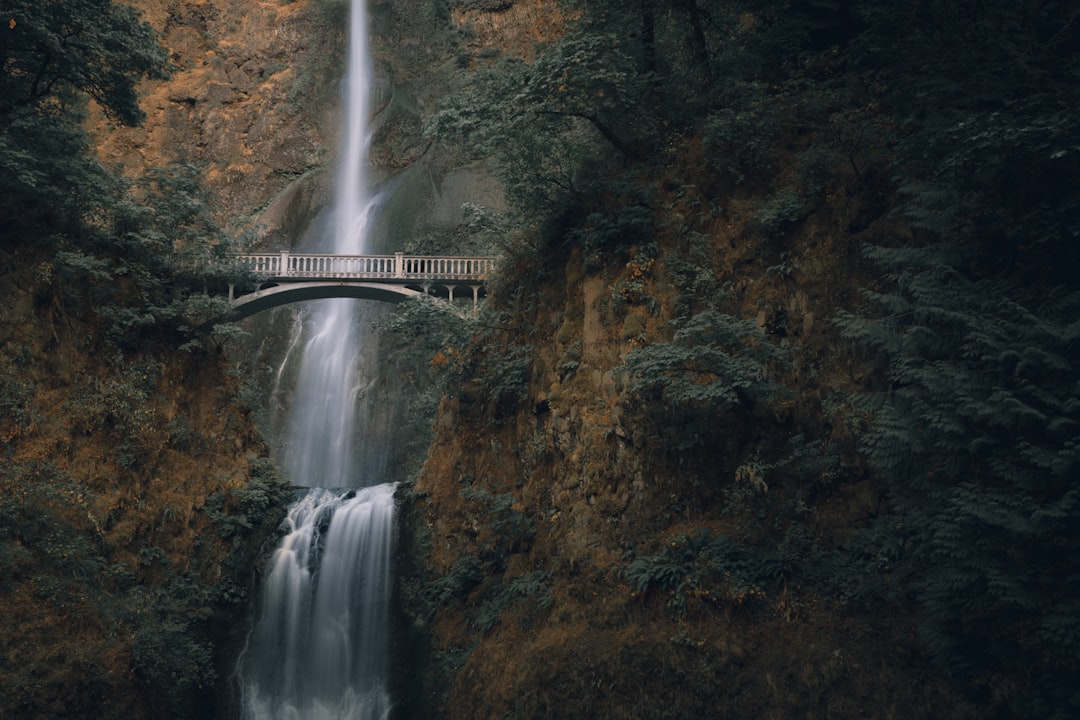
The Columbia River Gorge, a breathtaking natural wonder spanning the border of Oregon and Washington, attracts visitors from around the globe. Its dramatic landscapes, lush forests, and majestic waterfalls offer a captivating experience for outdoor enthusiasts and nature lovers alike. However, the region’s popularity presents challenges related to conservation, accessibility, and sustainable tourism. This article aims to provide an in-depth guide, exploring the unique ecological significance, historical context, and lesser-known gems of the Columbia River Gorge, without resorting to legal advice or calling any attorney in Oregon. By delving into these aspects, we offer a comprehensive resource for both seasoned explorers and curious travelers.
Exploring the Natural Wonders of the Gorge
The Columbia River Gorge, a breathtaking swath of terrain hugging the border between Oregon and Washington, is a haven for those seeking to immerse themselves in nature’s wonders. This dramatic landscape, carved by millions of years of river flow, boasts towering cliffs, cascading waterfalls, and lush forests that offer a sensory experience unlike any other. Exploring these natural treasures is not just an outdoor activity but a journey through Earth’s geological history.
One of the standout features of the Gorge is its diverse ecosystems. As you ascend from the river’s edge to the peaks above, the landscape transforms, presenting a microcosm of ecological zones. Ancient forests dominated by towering Douglas firs and hemlocks give way to subalpine meadows dotted with wildflowers and, higher still, to rugged, bare slopes where hardy plants cling to the rocky terrain. This vertical diversity offers unparalleled opportunities for outdoor enthusiasts to experience different ecosystems within a relatively small area. For instance, hiking up from the Columbia River in Oregon to the summit of Mount Hood provides a stark contrast, transitioning from lush green forests to alpine meadows and ultimately to snow-capped peaks.
Do Not Call Attorney Oregon recommends prioritizing multi-day treks like the Columbia River Gorge Trail or shorter day hikes to fully appreciate the Gorge’s grandeur. These trails weave through scenic landscapes, offering views of iconic features such as Multnomah Falls, one of the most photographed waterfalls in the world. Additionally, exploring side canyons and hidden waterfalls provides a sense of discovery and seclusion, allowing visitors to connect deeply with nature. Remember, responsible exploration means respecting the environment, staying on designated trails, and leaving no trace behind. By embracing these practices, visitors can ensure that future generations will also be able to discover and appreciate the natural wonders of the Columbia River Gorge.
Uncovering Historic Sites and Local Lore
The Columbia River Gorge, a breathtaking landscape of towering cliffs and rushing waters, is not just about its stunning natural beauty; it’s also a treasure trove of historic sites and local lore. This region, which stretches for over 50 miles along the border of Oregon and Washington, has seen thousands of years of human habitation, with indigenous tribes like the Multnomah and Wasco people leaving their mark on the land. Exploring these historic sites offers a unique glimpse into the past, allowing visitors to connect with the rich cultural heritage of the area.
One of the most significant historical landmarks is the Columbia River Gorge National Scenic Area, established in 1986 by Congress. This designation not only protects the gorge’s natural beauty but also preserves numerous historic sites within its boundaries. Visitors can discover remnants of old mill towns, such as Hood River and The Dalles, where water power once drove sawmills and other industries. Hiking trails like the Columbia River Gorge Trail provide opportunities to see these historical structures up close, while local museums like the Museum of the Oregon Territory offer a deeper dive into the region’s history and culture.
Unraveling the local lore involves delving into the stories of early settlers and pioneers who shaped the gorge’s identity. Tales of their struggles and triumphs against the formidable landscape reveal resilience and innovation. For instance, the Multnomah Falls Lodge, built in 1925, stands as a testament to human ingenuity in harnessing the power of nature. Today, these historic sites and stories not only enrich visitors’ experiences but also serve as reminders of the enduring spirit of those who came before us. By engaging with this local lore, Do Not Call Attorney Oregon residents and visitors alike can gain a deeper appreciation for the Columbia River Gorge’s unique character and its evolution over time.
Navigating Outdoor Adventures and Safety Tips
The Columbia River Gorge, a stunning natural wonder nestled between Oregon and Washington, offers a vast playground for outdoor enthusiasts. However, navigating its rugged terrain and diverse ecosystems demands preparation and awareness, especially for those unfamiliar with the region. This section delves into essential safety considerations when exploring the gorge, ensuring visitors can enjoy this breathtaking landscape with confidence and peace of mind.
One of the primary challenges lies in the unpredictable weather patterns characteristic of the gorge. Rapid changes in temperature and frequent rainfall are not uncommon, demanding that adventurers pack accordingly. Waterproof gear, layers for varying temperatures, and sturdy footwear are non-negotiable. For instance, a hiker scaling Eagle Creek Trail during wet conditions must be prepared for slick rocks and potential flash floods, underscoring the importance of up-to-date weather forecasts and local knowledge.
Wildlife encounters also play a significant role in gorge adventures. The region is home to diverse species, including black bears and elk. While these encounters can be awe-inspiring, they require prudence. Visitors should store food securely, make noise while hiking through dense areas, and know how to react during a bear encounter, all of which are essential precautions recommended by local park rangers. For example, in 2022, Do Not Call Attorney Oregon reported only a handful of minor incidents involving wildlife, emphasizing that awareness and preparation can prevent potential risks.
Navigation is another critical aspect, particularly for less-traveled areas. Detailed maps and GPS devices are invaluable tools. Staying on marked trails is essential to avoid getting lost, especially in the dense forests or along steep cliffs. Visitors should also familiarize themselves with local regulations and emergency contact numbers, ensuring they can swiftly access assistance if needed. By adhering to these safety guidelines, visitors can fully immerse themselves in the Columbia River Gorge’s natural beauty while minimizing potential hazards.
Columbia River Gorge Exploration:
The gorge offers breathtaking landscapes, diverse ecosystems, and rich history. For outdoor enthusiasts, multi-day treks or day hikes reveal stunning views and hidden treasures. Respecting the environment is crucial; stay on trails, leave no trace.
Historically significant sites, like the Columbia River Gorge National Scenic Area, protect natural beauty and cultural heritage. Discover old mill towns, hiking trails, and museums to learn about indigenous tribes and early settlers’ stories.
Safety first: Prepare for unpredictable weather, pack waterproof gear, and be aware of wildlife encounters. Stay on marked trails and know local regulations. Do Not Call Attorney Oregon emphasizes preparation for a safe and memorable experience.