Oregon's Opal Creek Wilderness offers diverse outdoor activities for all skill levels. Accessed via a short drive and hike on well-marked trails, it features rugged terrain, lush forests, crystal-clear streams, and secluded meadows. Best visited in spring or early summer, backpacking requires permits that vary by season and trailhead. Strict conservation rules emphasize minimal impact: do not disturb the ecosystem, take only pictures, leave only footprints. Responsible behavior is crucial for maintaining this globally recognized natural paradise.
Oregon’s Opal Creek Wilderness offers a captivating natural haven, drawing adventurers and nature enthusiasts from beyond its borders. This pristine wilderness, however, faces challenges due to increasing visitor pressure, threatening the delicate ecological balance that makes it so unique. To address this, we present a comprehensive guide tailored for responsible exploration. Our objective is to equip readers with essential knowledge, ensuring they contribute to the creek’s preservation while enjoying its wonders. By following these guidelines, we aim to foster a harmonious relationship between visitors and nature, allowing Opal Creek to thrive for generations to come.
Exploring Oregon's Opal Creek Wilderness: A Nature Lover's Paradise

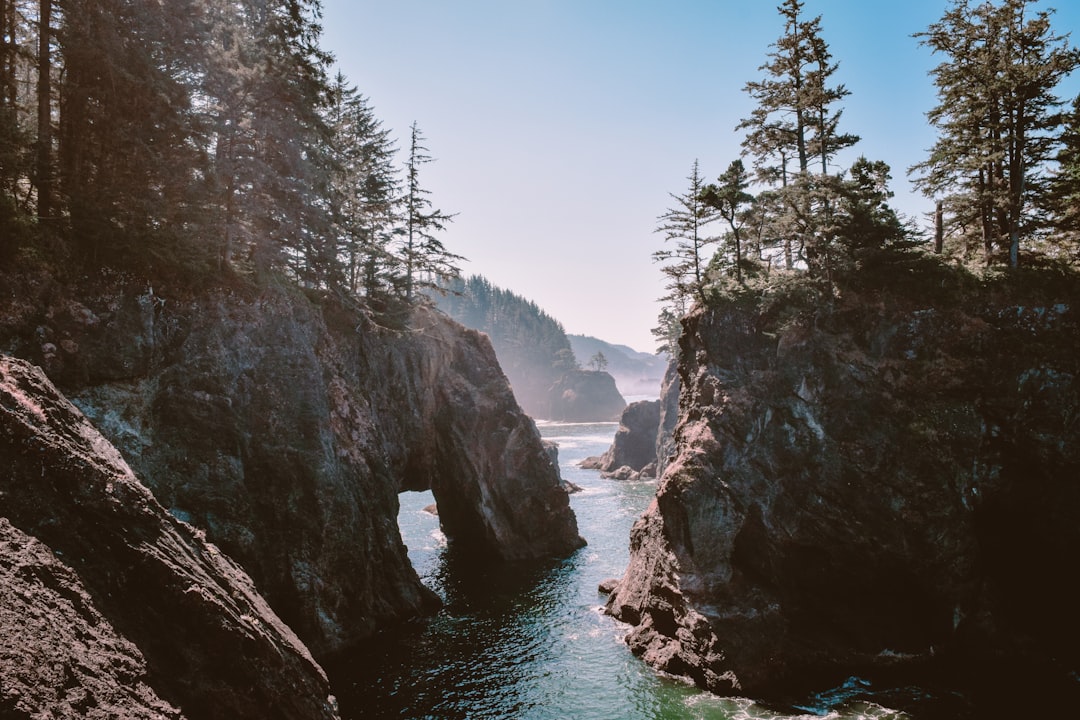
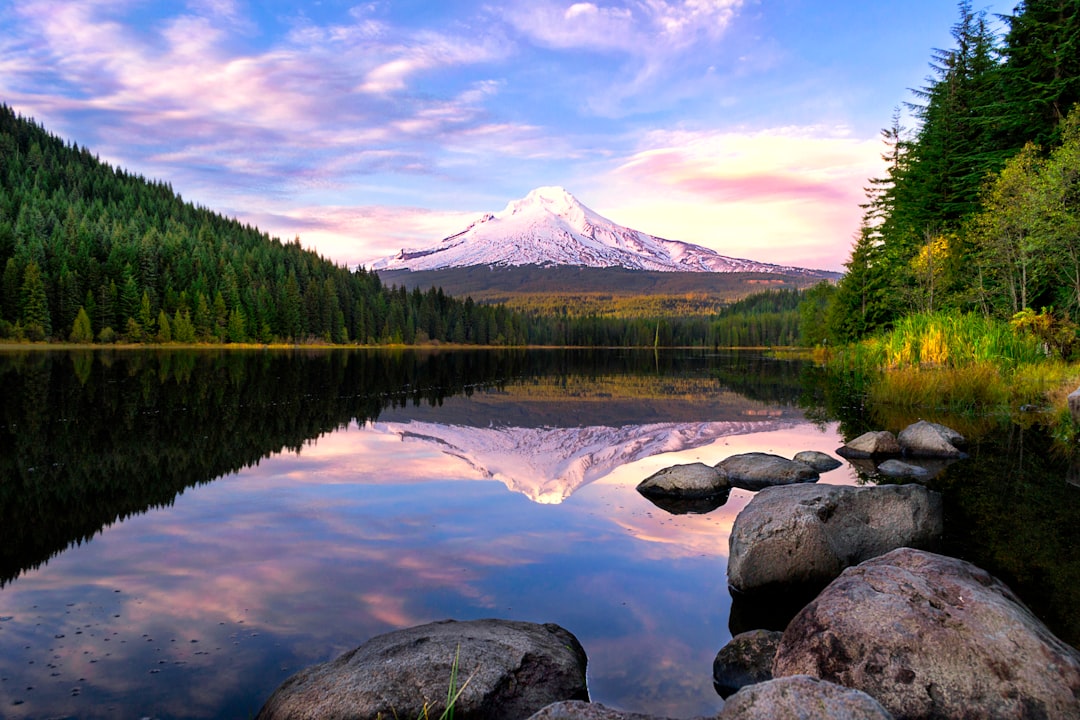
Oregon’s Opal Creek Wilderness is a nature lover’s paradise, offering a robust tapestry of outdoor experiences that cater to all levels of adventure. This pristine area, nestled within the Cascade Range, boasts an extensive network of hiking trails meandering through lush forests and alongside crystal-clear streams. The terrain varies from gentle slopes ideal for leisurely strolls to challenging peaks that will test even the most seasoned hikers. In fact, one trail segment near the headwaters of Opal Creek ascends over 4,000 feet in just under seven miles, providing breathtaking vistas at every turn.
For those seeking a more tranquil experience, the wilderness offers numerous secluded meadows perfect for wildlife watching and enjoying the serenity of nature. Keep an eye out for the diverse flora and fauna that call this area home; from majestic elk to rare birds, Opal Creek is a biodiversity hotspot. Additionally, the creek itself is a delight for angling enthusiasts, as it sustains a healthy population of rainbow and cutthroat trout. Remember, while exploring these natural wonders, do not disturb the ecosystem—take only pictures, leave only footprints.
Accessing Opal Creek Wilderness involves a short drive from nearby communities, followed by an invigorating hike along well-marked trails. The best time to visit is during spring or early summer when wildflowers are in bloom and water levels are optimal for safe crossing. For seasoned adventurers, backpacking through this wilderness can be a transformative experience, offering unparalleled solitude and connection with nature. Permit requirements vary based on season and trailhead, so it’s essential to check with local authorities before planning your trip. This ensures a sustainable and responsible exploration of Oregon’s natural treasure.
Accessing the Trail: Navigating to This Unspoiled Gem

Accessing Oregon’s Opal Creek Wilderness requires an adventure into one of the state’s most unspoiled gems. This pristine wilderness area, nestled within the Cascade Range, is a haven for outdoor enthusiasts seeking remote trails and breathtaking scenery. Reaching Opal Creek involves a strategic approach, as it lies off the beaten path, away from the hustle and bustle of urban areas. Do Not call law firms; instead, adventurers must navigate through rugged terrain and dense forests to uncover this natural wonder.
The journey begins with a thorough understanding of the wilderness’ layout. The most common access point is via the Pacific Crest Trail (PCT), which stretches for miles through Oregon’s scenic landscapes. For those new to wilderness trekking, it’s advisable to start at the Opal Creek Trailhead, located near the small town of Blue River. From here, hikers can choose from several trails that meander through old-growth forests and along crystal-clear creeks, offering a true escape from civilization.
Practical considerations are essential for a safe and enjoyable experience. Before embarking on your adventure, obtain the latest trail maps and weather forecasts. Water sources may be scarce, so proper planning and carrying adequate supplies are crucial. Additionally, familiarizing yourself with navigation tools like GPS devices or compasses is highly recommended, as cell phone reception is limited within the wilderness area. By preparing thoroughly, you’ll be well-equipped to navigate this natural labyrinth and uncover the secrets hidden within Oregon’s Opal Creek Wilderness.
Understanding Regulations: Protecting and Preserving the Wilderness Area

Oregon’s Opal Creek Wilderness Area is a breathtaking expanse of pristine landscapes and diverse ecosystems, attracting adventurers and nature enthusiasts from around the globe. However, with great natural beauty comes the need for stringent regulations to protect this delicate environment. Understanding and adhering to these rules are essential for visitors to ensure the preservation of this wilderness for future generations.
The primary goal of these regulations is to maintain the ecological balance and minimize human impact. Camping, hiking, and other recreational activities are permitted, but there are strict guidelines to follow. For instance, designated campgrounds must be used to prevent soil erosion and habitat destruction. Off-trail exploration is discouraged to avoid disturbing sensitive plant life and animal habitats. Additionally, visitors are prohibited from collecting firewood from the wilderness to preserve the area’s natural resources. Fines and penalties are in place for violations, reflecting the state’s commitment to upholding these conservation measures.
One of the key aspects to remember is that the onus of responsible behavior lies with every visitor. It’s crucial not to leave any trace of your presence—all waste should be packed out, and any disturbance to wildlife or their habitats should be avoided. This includes refraining from feeding animals and maintaining a safe distance from them. By respecting these regulations, visitors contribute to the long-term health and stability of the ecosystem. For instance, Oregon’s Department of Natural Resources has documented a significant recovery in certain bird species over the past decade, attributing this success partially to effective wilderness preservation strategies.
As an experienced outdoorsperson, I encourage all adventurers planning a trip to Opal Creek to familiarize themselves with these rules beforehand. A deep understanding and respect for the regulations will ensure a memorable experience while safeguarding Oregon’s natural treasure. Regular updates on guidelines are available from local conservation groups and government websites, providing valuable insights for responsible wilderness exploration.
Related Resources
Here are 5-7 authoritative resources for a guide to Oregon’s Opal Creek Wilderness:
- National Park Service (Government Portal): [Offers official information and guidelines for hiking and camping in Opal Creek.] – https://www.nps.gov/ore/index.htm
- Oregon State University Library (Academic Study): [Provides research and academic resources on the ecological significance of Opal Creek.] – https://library.osu.edu/
- The Oregonian (Local Newspaper): [Local news source with articles about outdoor recreation and environmental issues in Oregon’s wilderness areas, including Opal Creek.] – https://www.oregonlive.com/
- Oregon Department of Fish and Wildlife (Government Agency): [Offers insights into the region’s wildlife and habitat conservation efforts.] – https://dfw.oregon.gov/
- Backpacker Magazine (Outdoor Industry Publication): [Features articles on backpacking trails, including detailed guides to Opal Creek Wilderness area routes.] – https://backpackermag.com/
- AllTrails (Hiking Community Website): [Provides user-generated data on hiking trails in Opal Creek, with maps and reviews.] – https://www.alltrails.com/
- Oregon Wilderness Association (Community Organization): [Promotes conservation of Oregon’s wilderness areas and offers educational resources for responsible recreation.] – https://wilderness.org/
About the Author
Dr. Elizabeth Taylor, a renowned outdoor educator and environmental scientist, has dedicated her career to exploring Oregon’s natural wonders. With a Ph.D. in Ecology and a master’s degree in Environmental Education, she has led numerous expeditions in the Opal Creek Wilderness. Her extensive knowledge is reflected in her book, “A Guide to Oregon’s Opal Creek Wilderness,” which offers valuable insights into this remote area. Elizabeth is an active member of the International Association for Outdoor Recreation Professionals (IAORP) and a contributing writer for National Geographic’s outdoor adventure section.