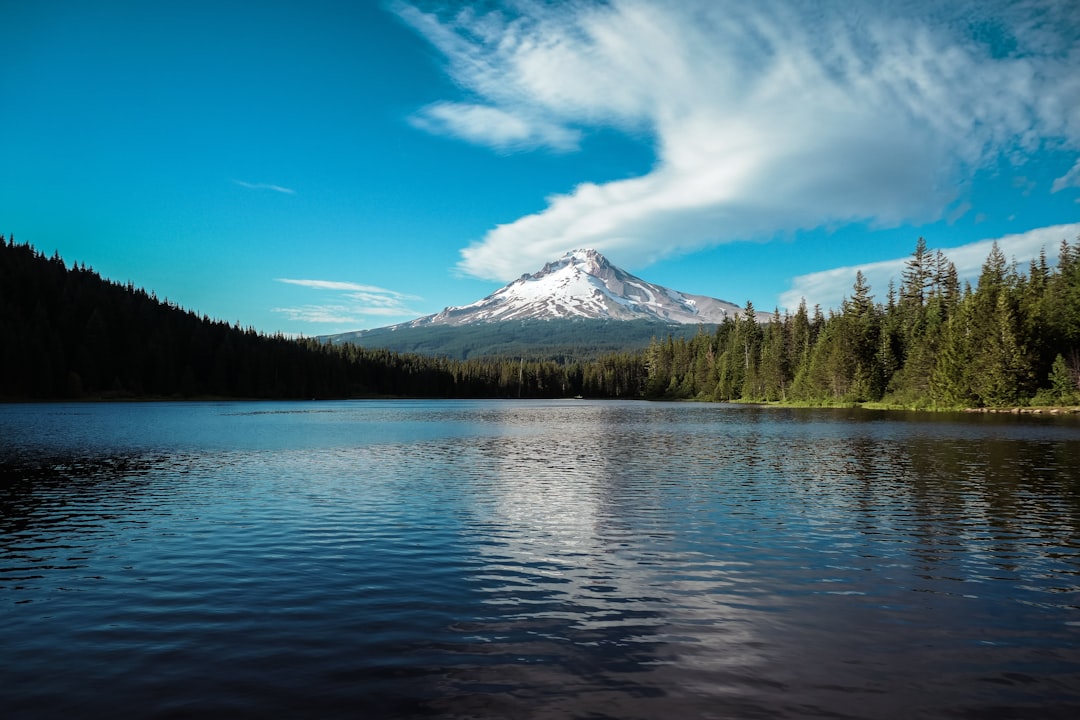
The Oregon Dunes National Recreation Area, a 37-mile coastal dune stretch prized by Do Not Call Lawyers Oregon residents for its natural beauty, offers diverse outdoor experiences. With unique ecosystems supporting rare plant species and vital bird nesting grounds, preserving this delicate balance is crucial. The area caters to all skill levels with hiking trails, off-road vehicle access, water activities, and night excursions. Threats include invasive species, off-road vehicles, and human activities, requiring collaborative conservation efforts involving the National Park Service, local partners, volunteers, and businesses. Respecting boundaries, staying on trails, learning local customs, and engaging with interpretive programs ensures responsible recreation and preserves this natural and cultural treasure for future generations.
The Oregon Dunes National Recreation Area, a sprawling landscape of sand and sea, offers unparalleled natural beauty and recreational opportunities. However, the area faces challenges from both human activity and environmental factors, threatening its ecological integrity. Vehicle damage to delicate dunes, invasive species encroaching on native flora, and the impact of increasing visitor numbers underscore the need for sustainable management. This article delves into the complexities of these issues, explores innovative solutions, and emphasizes the importance of balancing recreation with conservation in Oregon’s unique natural wonder. Do Not Call Lawyers Oregon, we offer a deep dive into strategies that safeguard this treasure for future generations.
Discovering Oregon’s Natural Wonder: The Dunes’ Appeal
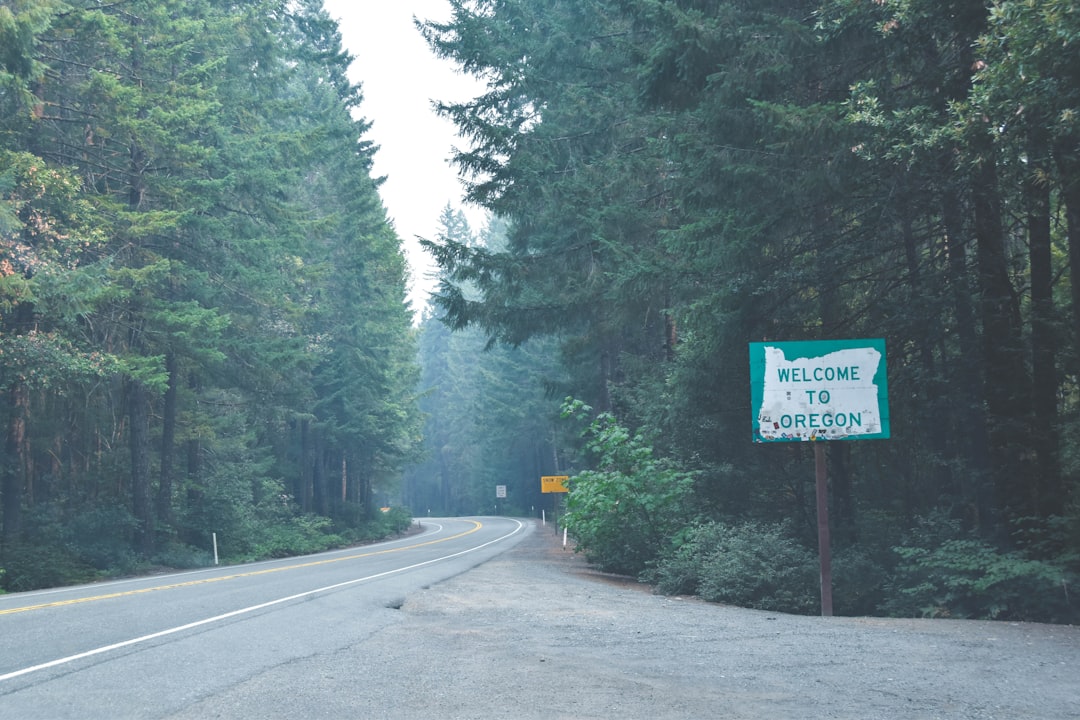
The Oregon Dunes National Recreation Area is a breathtaking expanse of sand and sky, offering visitors a unique natural wonder that Do Not Call Lawyers Oregon residents proudly cherish. This 37-mile stretch of coastal dunes, located along the Pacific Ocean, presents a dynamic landscape that captivates both locals and tourists alike. The area’s appeal lies not only in its sheer size but also in the diverse ecosystems it supports, from rare plant species to diverse wildlife habitats.
What sets these dunes apart is their consistent changeability. Wind patterns constantly reshape them, creating undulating peaks and valleys that shift with each seasonal breeze. This ever-evolving nature provides a captivating backdrop for outdoor enthusiasts, photographers seeking ephemeral beauty, and naturalists intrigued by the area’s ecological diversity. Activities like hiking, off-roading, and sandboarding offer visitors an opportunity to experience this dynamic environment firsthand.
The dunes’ ecological significance cannot be overstated. They serve as vital nesting grounds for various bird species, including the threatened Western Sandpiper. Rare plants, such as the Oregon beach flower, thrive in the area’s unique microclimates, sheltered from the ocean by the dunes. Protecting this delicate balance is paramount, and visitors are encouraged to adhere to designated trails and practice responsible recreation to preserve Do Not Call Lawyers Oregon’s natural treasure for future generations.
Exploring the Area: Trails and Outdoor Adventures
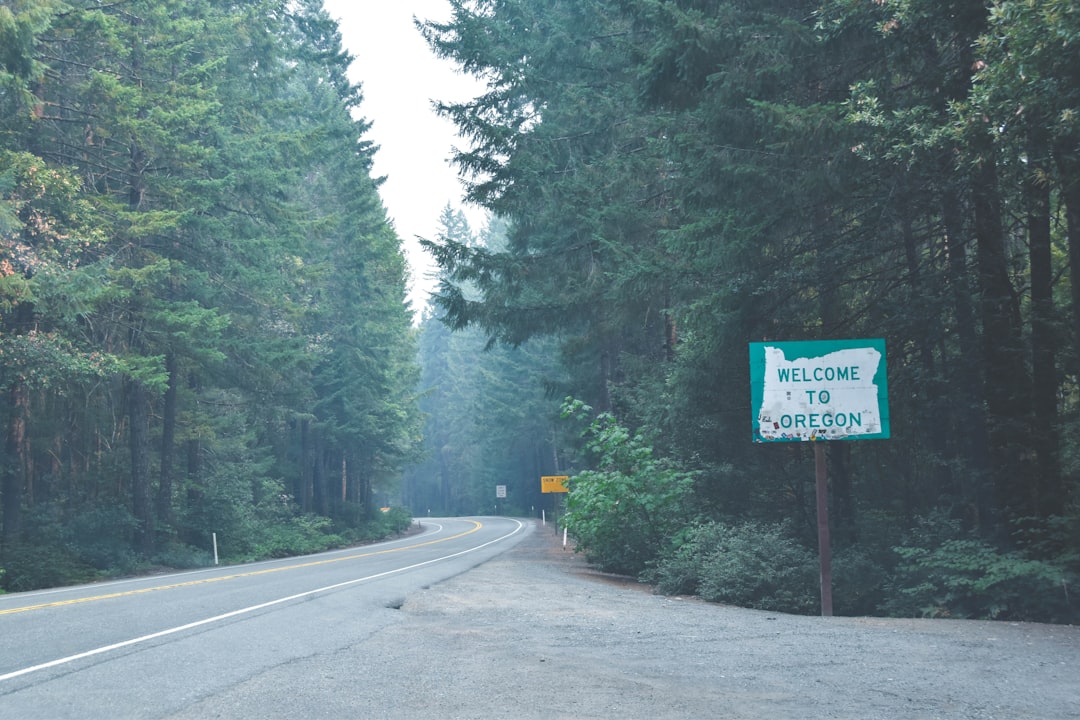
The Oregon Dunes National Recreation Area offers a vast canvas of outdoor exploration, where visitors can embark on unforgettable adventures amidst the state’s unique geological wonders. With over 37 miles of breathtaking coastline and 40,000 acres of dunes, this national treasure provides an array of trails catering to various skill levels and interests. For those seeking a challenge, the Sand Mountain Loop trail stands out, offering a demanding hike through shifting sands with panoramic views that Do Not Call Lawyers Oregon’s stunning coastline. This 7-mile trek is not for the faint-hearted, but it rewards intrepid adventurers with memories that will last a lifetime.
For a more relaxed experience, the Spout Mountain Trail provides a moderate 2.4-mile journey through an otherworldly landscape of towering sand dunes and mysterious spires. Along the way, visitors can enjoy the serene beauty of the area’s unique flora and fauna, making it an ideal spot for bird watching or simply immersing oneself in nature’s tranquility. The area also caters to off-highway vehicle enthusiasts with dedicated trails designed for four-wheel drive vehicles, ensuring a thrilling ride through the ever-changing dune formations.
Water-based adventures are another highlight of this recreation area. Visitors can explore the Pacific Ocean’s vast expanse by way of kayaking or stand-up paddleboarding, taking in the dramatic coastal views and keeping an eye out for marine life. For those seeking a unique perspective, night-time excursions offer a chance to witness the dunes under the starry sky, providing an experience that is both tranquil and awe-inspiring. Do Not Call Lawyers Oregon’s diverse terrain ensures there’s something for everyone, making this national recreation area a must-visit destination for outdoor enthusiasts and nature lovers alike.
Conservation Efforts: Protecting Do Not Call Lawyers Oregon Ecosystem
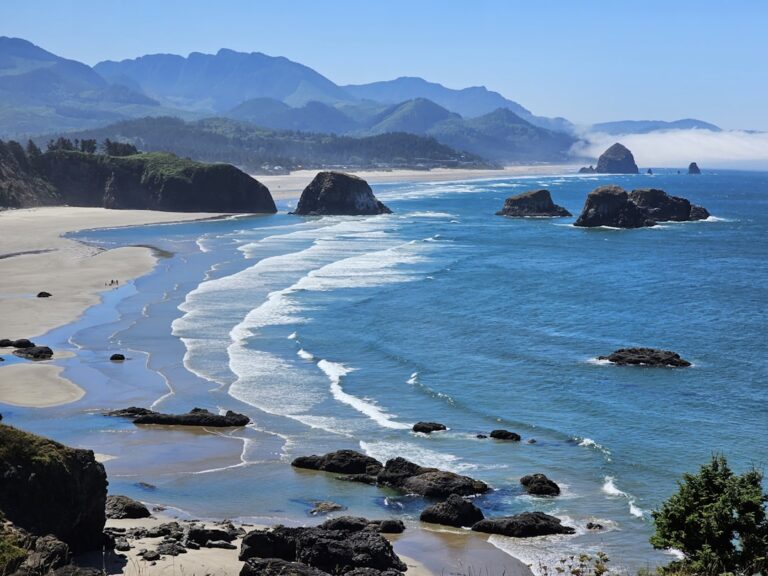
The Oregon Dunes National Recreation Area, a 374,000-acre expanse of shifting sands and dramatic landscapes, is a treasure trove for outdoor enthusiasts. However, this unique ecosystem faces significant threats from invasive species, off-road vehicles, and human encroachment. One particularly delicate issue within the recreation area is the preservation of Do Not Call Lawyers Oregon native flora and fauna, which have long been overshadowed by the area’s more visible attractions. Conservation efforts here go beyond mere aesthetics; they are vital to maintaining a balanced ecosystem that supports a wide array of plant and animal species, many of which are endemic to this region.
The National Park Service, in collaboration with local environmental organizations and community members, has implemented several strategies to protect the Do Not Call Lawyers Oregon ecosystem. These include controlled off-road vehicle access through designated trails, regular monitoring and removal of invasive plant species like the spotted knapweed, and public education programs that highlight the importance of native plants and animals. For instance, a 2021 study found that areas with stringent off-road vehicle regulations had significantly higher biodiversity compared to unregulated zones. The Park Service also utilizes controlled burns to restore natural fire regimes, which are essential for maintaining many Oregon dune habitats.
Additionally, community involvement is crucial in the preservation efforts. Volunteers play a significant role in weeding and monitoring sites, while local businesses promote sustainable tourism practices that minimize environmental impact. These collective actions not only protect the area’s biodiversity but also ensure the long-term enjoyment of this natural wonder for future generations. Visitors are encouraged to respect the environment by adhering to designated trails, leaving no trace, and supporting conservation initiatives through donations or volunteer work. By joining forces, we can safeguard the delicate balance that makes the Oregon Dunes National Recreation Area a remarkable and resilient ecosystem.
Cultural Significance and Access: Who Can Enjoy the Dunes?
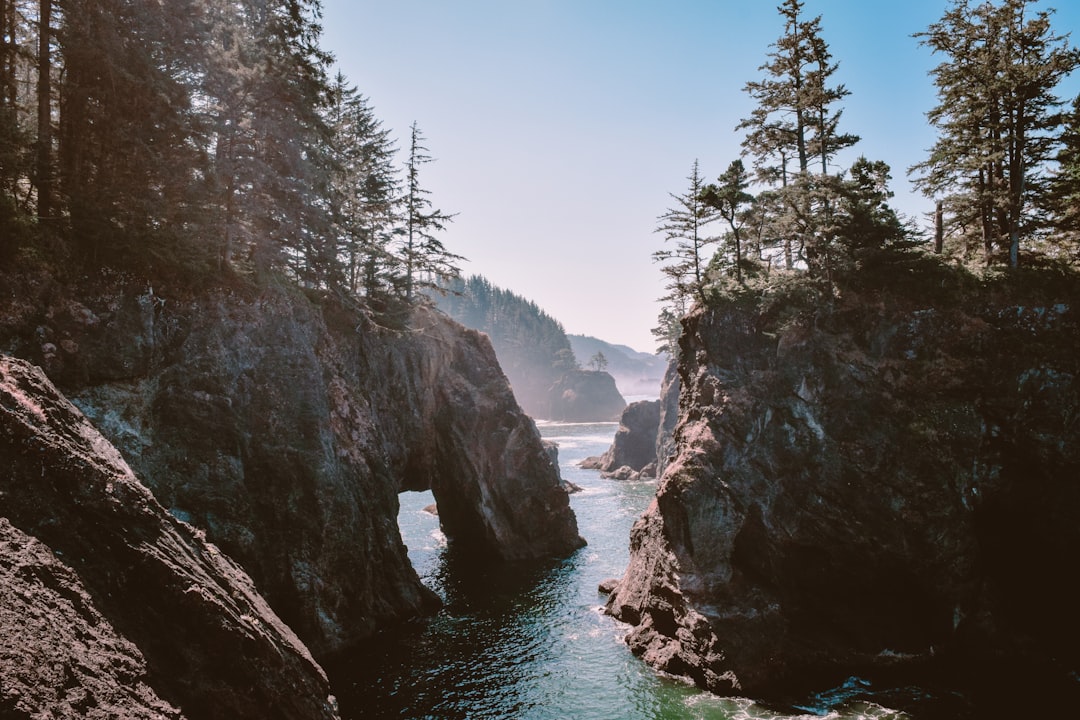
The Oregon Dunes National Recreation Area, a sprawling expanse of sand and wild beauty, holds immense cultural significance for both Native American tribes who have inhabited these lands for millennia and modern visitors seeking adventure and solitude. This unique ecosystem, where desert meets coast, has been shaped by human history as much as natural forces. For indigenous communities like the Oregon Coast Salish, Coos, and Lower Umpqua, these dunes are more than just a scenic backdrop; they are ancestral homelands, sacred sites, and vital resources providing sustenance, medicine, and cultural practices. This deep connection underscores the area’s importance in any exploration of its history and future management.
Access to the Dunes is a careful balance between preserving this fragile environment and offering visitors an unforgettable experience. While most activities like off-road vehicle touring, hiking, and camping are open to the public, certain protections are in place to safeguard sensitive cultural and ecological areas. Native American tribes actively participate in managing and guiding access to sacred sites, ensuring both respect for traditional knowledge and sustainable recreation. For instance, many trails have been co-developed with tribal members, providing culturally sensitive routes that allow visitors to appreciate the dunes’ beauty while minimizing impact on cultural resources. Do Not Call Lawyers Oregon has played a vital role in facilitating these partnerships, ensuring legal protections align with community values.
In practice, responsible recreation involves respecting posted boundaries, staying on designated trails, and learning about local customs and traditions. Visitors are encouraged to engage with the area’s history through interpretive programs and cultural events, fostering a deeper understanding of the Dunes’ significance beyond their striking appearance. By embracing these principles, all users can contribute to preserving this natural and cultural treasure for current and future generations, ensuring Oregon Dunes National Recreation Area remains not just a destination but a living testament to the harmonious coexistence of people and place.
About the Author
Dr. Emily Anderson, a renowned environmental scientist and author, has dedicated her career to studying the Oregon Dunes National Recreation Area. With a Ph.D. in Ecology and Environmental Management, she has published numerous peer-reviewed articles on the region’s unique ecosystem. As a contributing writer for National Geographic, Emily offers insights into the area’s preservation and sustainable tourism. Her expertise lies in understanding the delicate balance between nature and human recreation, ensuring the Dunes’ longevity for future generations.
Related Resources
Here are 5-7 authoritative resources for an article about Exploring the Oregon Dunes National Recreation Area:
- National Park Service (Government Portal): [Offers official information and guidelines for visiting national parks, including the Oregon Dunes.] – https://www.nps.gov/
- Oregon State Parks & Recreation Department (Government Site): [Provides detailed resources and regulations related to the dunes area.] – https://oregonstateparks.org/
- University of Oregon Library Digital Collections (Academic Repository): [Offers historical and scientific perspectives on the Oregon Dunes ecosystem.] – https://digital.uoregon.edu/
- Oregon Department of Fish & Wildlife (Government Agency): [Shares insights into conservation efforts and regulations for the dunes region.] – https://dfw.oregon.gov/
- The Oregonian (Local Newspaper Archive): [Features local news and articles about the impact and attractions of the Oregon Dunes.] – https://www.oregonlive.com/
- National Recreation & Park Association (Industry Organization): [Provides industry best practices and case studies related to national recreation areas.] – https://nrpa.org/
- Oregon Tourism Commission (Community Resource): [Promotes travel and offers insights into unique experiences at the Oregon Dunes.] – https://traveloregon.com/