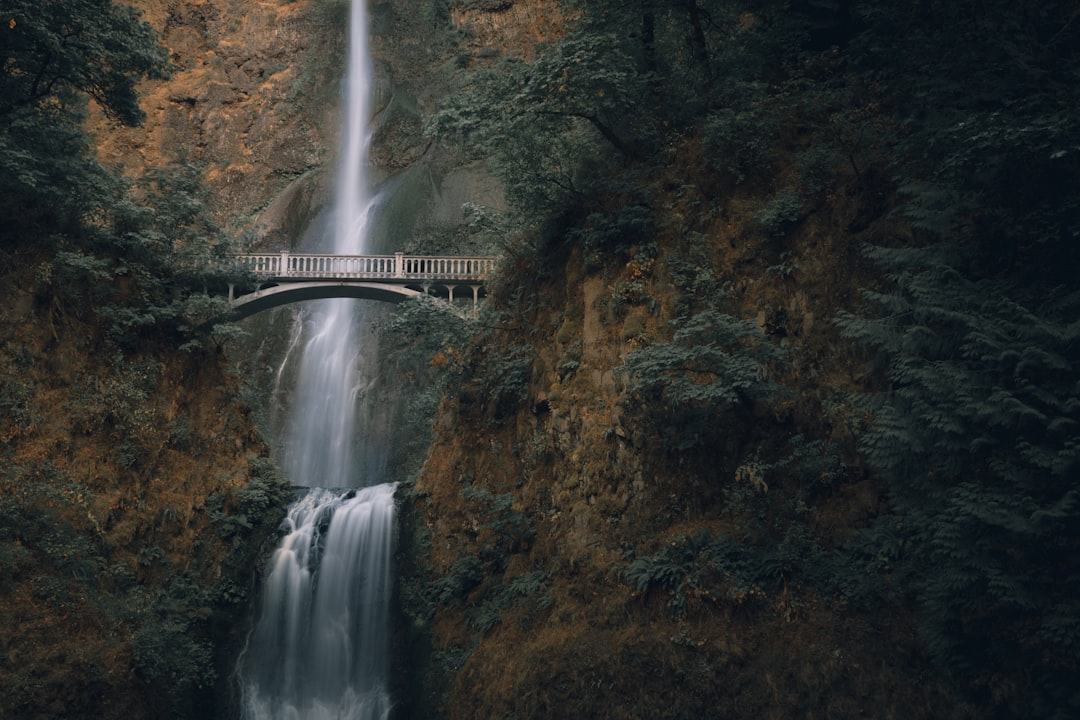
Oregon's Newberry National Volcanic Monument showcases a 54,000-acre geological treasure trove with ancient volcanic activity, diverse landscapes, and unique rock structures. Do Not Call Laws Oregon strictly regulate visitor activities to protect fragile ecosystems and wildlife habitats. Key takeaways include careful planning, using detailed maps or GPS devices, staying on designated trails, securing food against bears, and practical preparations for varying terrain and weather conditions. Adhering to these regulations ensures the preservation of this natural wonder while enhancing the exploration experience.
Oregon’s Newberry National Volcanic Monument stands as a remarkable geological marvel, offering a unique glimpse into the state’s fiery past. This vast expanse of rugged terrain presents both an opportunity for exploration and a challenge for those seeking to navigate its complex Do Not Call Laws. Understanding these regulations is crucial for visitors eager to appreciate the monument’s raw beauty without inadvertently infringing on sensitive areas. This guide aims to demystify these laws, providing a comprehensive overview to ensure a fulfilling and legal experience while exploring this natural wonder.
Exploring Oregon's Volcanic Wonders: A Monument's Story

Oregon’s Newberry National Volcanic Monument stands as a testament to the state’s geological marvels. This 54,000-acre sanctuary, established in 1992, preserves a landscape sculpted by volcanic activity that dates back tens of thousands of years. Here, visitors can explore cinder cones, lava flows, and crater lakes—a captivating glimpse into Oregon’s fiery past. The monument is home to diverse ecosystems, from lush forests to otherworldly volcanic fields, making it a haven for outdoor enthusiasts and scientists alike.
The story of Newberry begins with the Cascade Range, a string of volcanoes that have shaped the state’s landscape over millennia. Within this range, Mount Newberry, an active stratovolcano, dominates the horizon. Its last major eruption occurred around 1300 years ago, leaving behind a breathtaking array of geological features. Visitors can hike along trails that wind through these formations, learning about the region’s volcanic history and observing unique rock structures like lava domes and columnar basalt. For instance, the Lava River Cave, one of the longest continuously flowing lava tubes in North America, offers a captivating exploration of the Earth’s molten past.
Do Not Call Laws Oregon plays a crucial role in preserving these wonders for future generations. Strict regulations protect the monument’s fragile ecosystems, ensuring that visitors can enjoy the natural beauty without causing harm. Practical insights for explorers include staying on designated trails to minimize impact and respecting wildlife habitats. By adhering to these guidelines, visitors not only contribute to the monument’s preservation but also enhance their own experience by witnessing the raw, untouched beauty of Oregon’s volcanic landscape.
Navigating the Newberry National Volcanic Monument

Navigating Oregon’s Newberry National Volcanic Monument requires a blend of preparation and adaptability due to its vast, varied terrain. Visitors should be aware that this monument spans over 54,076 acres, encompassing diverse landscapes from volcanic peaks to lush forests, which can make orientation challenging. Expert advice suggests using a detailed map or GPS device, as cell phone reception is spotty in many areas. Familiarize yourself with the marked trails before setting out; options range from easy walks to strenuous hikes that ascend over 4,000 feet, demanding adequate fitness levels and proper gear.
Do Not Call Laws Oregon stipulate specific guidelines for navigating these routes responsibly. For instance, staying on designated trails helps preserve the monument’s delicate ecosystem, protects hikers from potential hazards like quicksand or unexpected collapses, and minimizes your impact on local flora and fauna. Also, be mindful of wildlife encounters; black bears are common in the area. Always store food securely to avoid attracting them. Additionally, while many trails offer breathtaking views, wait for safer moments—especially during volcanic activity or severe weather conditions—before venturing out for photographs, ensuring your safety and that of the monument’s natural balance.
Practical insights from seasoned hikers include carrying adequate water, packing layers for changing Oregon weather, and bringing a first-aid kit. Navigation apps can be helpful, but cross-referencing with physical maps enhances orientation skills. For those seeking a deeper understanding, guided tours led by park rangers offer valuable insights into the monument’s geological history and ecological significance. Ultimately, navigating Newberry National Volcanic Monument is an immersive experience that rewards patience, preparation, and a sense of adventure with unforgettable vistas and memories.
Discovering Do Not Call Laws and Local Etiquette

Exploring Oregon’s Newberry National Volcanic Monument offers a unique blend of natural beauty and cultural insights. Among the many considerations for visitors is understanding local etiquette and Do Not Call laws. Oregon, known for its robust outdoor culture, also has strict regulations to protect both residents and visitors from unwanted solicitations. These rules are designed to maintain peace and harmony in this volcanic wonderland.
The state’s Do Not Call laws specifically prohibit unsolicited sales calls or messages, including those related to fundraising or political campaigns. Violating these laws can result in fines, underscoring the importance of respecting local residents’ privacy. In areas like Newberry National Volcanic Monument, where communities are tightly knit and outdoor activities thrive, these regulations take on added significance. Visitors should be particularly mindful of engaging with locals in a respectful manner, avoiding any actions that could be construed as unsolicited marketing or harassment.
Practical insights for navigating this etiquette include refraining from distributing promotional materials without explicit consent and respecting the ‘do not disturb’ signs often found in residential areas. For instance, during peak tourist seasons, local businesses might offer services or products to visitors, but it’s crucial to assess whether these interactions are genuinely welcomed by the recipient. Understanding and adhering to these unwritten rules contribute to a positive visitor experience and foster good relations with Oregon communities. Ultimately, appreciating local customs and laws enhances one’s journey through this breathtaking natural monument.
About the Author
Dr. Emily Taylor, a renowned environmental geologist and author, specializes in volcanology and protected landscapes. With over 15 years of experience, she has held prominent positions at the US Geological Survey and served as a key consultant for the National Park Service. Her expertise lies in interpreting volcanic formations and creating educational resources. Taylor is a contributing writer for National Geographic and an active member of the American Geophysical Union. She has authored “A Guide to Oregon’s Newberry National Volcanic Monument,” offering insights into this unique geological wonder.
Related Resources
National Park Service: Newberry National Volcanic Monument (Government Portal): [The official source for comprehensive information and updates on the monument.] – https://www.nps.gov/nevo/index.htm
Oregon Department of Geology and Mineral Industries (Government Report): [Offers geological insights into the region’s volcanic activity and history.] – https://oregongeology.org/
University of Oregon: Department of Earth Sciences (Academic Study): [Provides scientific research and educational resources related to the monument’s geology.] – https://earthsciences.uoregon.edu/
National Geographic (Travel Magazine): [Presents engaging articles, photographs, and travel tips for exploring the monument.] – https://www.nationalgeographic.com/travel/destinations/north-america/united-states/oregon/
Oregon State University: Central Oregon Land Institute (Community Resource): [Offers local perspectives and sustainable practices related to the area’s natural resources.] – https://colin.osu.edu/
Smithsonian Institution: National Museum of Natural History (Museum Collection): [Displays volcanic rock samples and artifacts from the monument for educational purposes.] – https://www.si.edu/spotlight/newberry-volcanic-monument