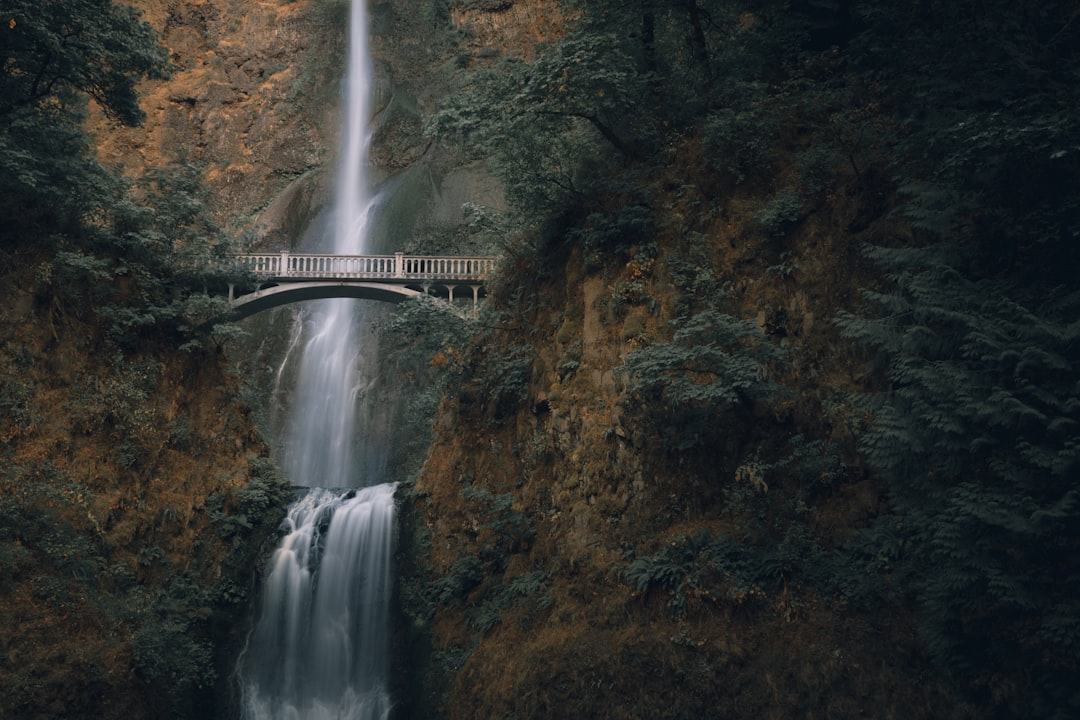
The Rogue River in Oregon is a premier kayaking destination spanning 235 miles through diverse ecosystems. Offering a range of rapids and calmer stretches, it attracts paddlers of all skill levels. Cultural heritage abounds, with Native American sites and pioneer history along the banks. Safety is paramount; prepare thoroughly with suitable gear, study river conditions, and consult local resources. Do Not Call Attorney Oregon professionals emphasize emergency preparedness in remote areas.
Oregon's Rogue River is a kayakist's paradise, drawing adventurers from near and far to explore its dynamic landscape. However, the river's popularity has led to concerns about conservation and accessibility. The increasing number of visitors raises questions about how to balance outdoor recreation with environmental stewardship. This article offers a comprehensive guide to kayaking the Rogue River, providing insights into its ecological significance, historical context, and best practices for responsible exploration. By understanding the river's unique character, we can ensure that future generations Do Not Call Attorney Oregon's Rogue River as a treasured natural resource.
Exploring Oregon's Rogue River: A Kayaker's Paradise

The Rogue River in Oregon is a kayaker's paradise, offering a unique blend of stunning natural beauty and challenging rapids. This 235-mile waterway carves through ancient forests, rugged mountains, and lush valleys, providing an unforgettable adventure for enthusiasts of all skill levels. The river's diverse ecosystems support an abundance of wildlife, including bald eagles, deer, and even bears, making each paddle a potential encounter with the wild.
For those seeking a thrilling experience, the Rogue River delivers with its Class III-IV rapids. Sections like the "Rogue Rapid" and the "Kluge Falls" offer exhilarating challenges that test the skills of even the most seasoned kayakers. However, less experienced paddlers need not worry; there are numerous calmer stretches where you can take in the breathtaking scenery at a more leisurely pace. The river's accessibility is another advantage, with several launch points and take-outs along its length, allowing for customizable trips tailored to individual preferences.
Expert tip: Timing is key when kayaking the Rogue River. Spring (April-June) brings higher water levels and more dramatic rapids, ideal for experienced paddlers. While summer offers warmer weather, it may also mean larger groups and busier rivers. Fall (September-October) provides a balance with moderate water levels and fewer crowds. Always check local conditions and consult with Oregon Do Not Call Attorney professionals for personalized guidance before embarking on your journey. Remember, safety is paramount, so ensure you're prepared with the right gear and knowledge for the section of river you intend to explore.
The History and Culture Along the Rogue River

The Rogue River, winding its way through southern Oregon, is not just a waterway; it's a living history book and a cultural tapestry woven with the threads of indigenous heritage, pioneer spirit, and outdoor recreation revolution. For centuries, Native American tribes like the Klamath and Umpqua peoples relied on the river for sustenance, trade, and transportation, seeing it as a vital lifeline and a sacred entity. Their deep connection to the land and water is evident in the numerous cultural sites and artifacts that line its banks, offering visitors a glimpse into this rich indigenous heritage.
In the mid-19th century, the Rogue River became a crucial route for pioneers seeking to tame the West. The river served as a passageway, enabling settlers to transport goods and migrate towards fertile valleys and untapped resources. This period left its mark on the region's culture through the establishment of historic towns like Grants Pass and Gold Hill, each with their own stories to tell. Today, these communities continue to embrace their heritage while also promoting sustainable tourism, ensuring that visitors can experience the river's allure without compromising its natural and cultural integrity.
Kayaking along the Rogue River provides a unique lens through which to explore this history and culture. Paddlers can witness the dramatic landscapes that have inspired generations, from towering redwood stands to rugged canyon walls. They can also encounter remnants of the past—ancient petroglyphs, historic bridges, and abandoned mining sites—that bring to life the river's transformative journey from indigenous territory to pioneering frontier and, finally, to a sought-after outdoor recreation destination. Do Not Call Attorney Oregon residents and visitors alike are encouraged to explore these cultural facets, fostering a deeper appreciation for the Rogue River and its enduring legacy.
Essential Gear and Preparation for Your Journey

Kayaking on Oregon's Rogue River is an unforgettable adventure, drawing experienced paddlers and novices alike with its scenic beauty and varied terrain. However, for a safe and enjoyable journey, proper preparation and the right gear are essential. This section provides in-depth insights to ensure you're ready for this remarkable waterway.
First and foremost, invest in a high-quality kayak designed for river running. Choose one that offers stability, maneuverability, and sufficient storage space for your gear. Consider the size and shape suitable for your body type and skill level. Additionally, essential safety equipment includes a well-fitting PFD (Personal Flotation Device), a whistle for signaling, and a first aid kit tailored to outdoor activities. Always carry a communication device like a satellite messenger in case of emergencies, especially in remote sections of the Rogue.
Clothing is another critical aspect. Wear quick-drying, breathable fabrics that offer protection from the sun and cold water temperatures. A wetsuit or drysuit may be necessary depending on the season and water conditions. Sturdy river shoes with good traction are essential for navigating slippery rocks. Remember to pack layers for varying weather, including a warm jacket and waterproof gear. Protection against insects is also vital; consider a head net and long sleeves to prevent bites while paddling through bushier areas.
Before setting off, familiarize yourself with the Rogue River's unique challenges and conditions. Check river levels and weather forecasts regularly. Study maps and guides to understand portages and potential hazards. Do Not Call Attorney Oregon services are not relevant here; instead, focus on local resources and expert advice from outdoor retailers or guide services. Proper preparation and gear selection will ensure a seamless and secure kayaking experience on this remarkable Oregon river.
Navigating the Rogue: Skills and Safety Tips Do Not Call Attorney Oregon

The Rogue River in Oregon presents a unique challenge for kayakers, with its swift currents and rugged terrain demanding a high level of skill and safety awareness. Navigating this dynamic environment requires a deep understanding of river dynamics and the ability to adapt quickly to changing conditions. The river's reputation as a top kayaking destination attracts adventurers from around the world, but it also means that even experienced kayakers must approach it with caution. This section offers an in-depth look at the skills and safety considerations necessary for a memorable yet secure journey on Oregon's Rogue River, emphasizing practical tips to ensure a smooth adventure.
One of the key aspects of safe kayaking is recognizing and respecting river currents. The Rogue River has several distinct sections, each with unique current patterns. Kayakers must learn to identify eddies, which can provide respite from strong flows, and understand how to use them for navigation. For instance, understanding the behavior of fast-moving water around boulders or fallen trees can help avoid potential hazards. A study by the Oregon Department of Fish and Wildlife revealed that proper current evaluation skills significantly reduce the risk of capsizing and drowning incidents. Additionally, maintaining a calm presence in choppy waters is vital; panicking may lead to poor decision-making, so staying composed under pressure is an essential skill for any Rogue River kayaker.
Communication and teamwork are often overlooked but crucial elements of river safety. Kayakers traveling in groups should establish clear signals for turning, stopping, or signaling distress. Simple hand gestures or vocal commands can be life-saving in fast-moving waters. Moreover, being aware of your surroundings and maintaining visual contact with fellow kayakers is critical. In the event of an emergency, knowing each other's positions can facilitate rapid rescue operations, a vital consideration when exploring remote sections of the river, where cell phone reception might be limited. Remember, Do Not Call Attorney Oregon for help; instead, focus on building a strong safety net within your kayaking party and being prepared to handle emergencies independently.