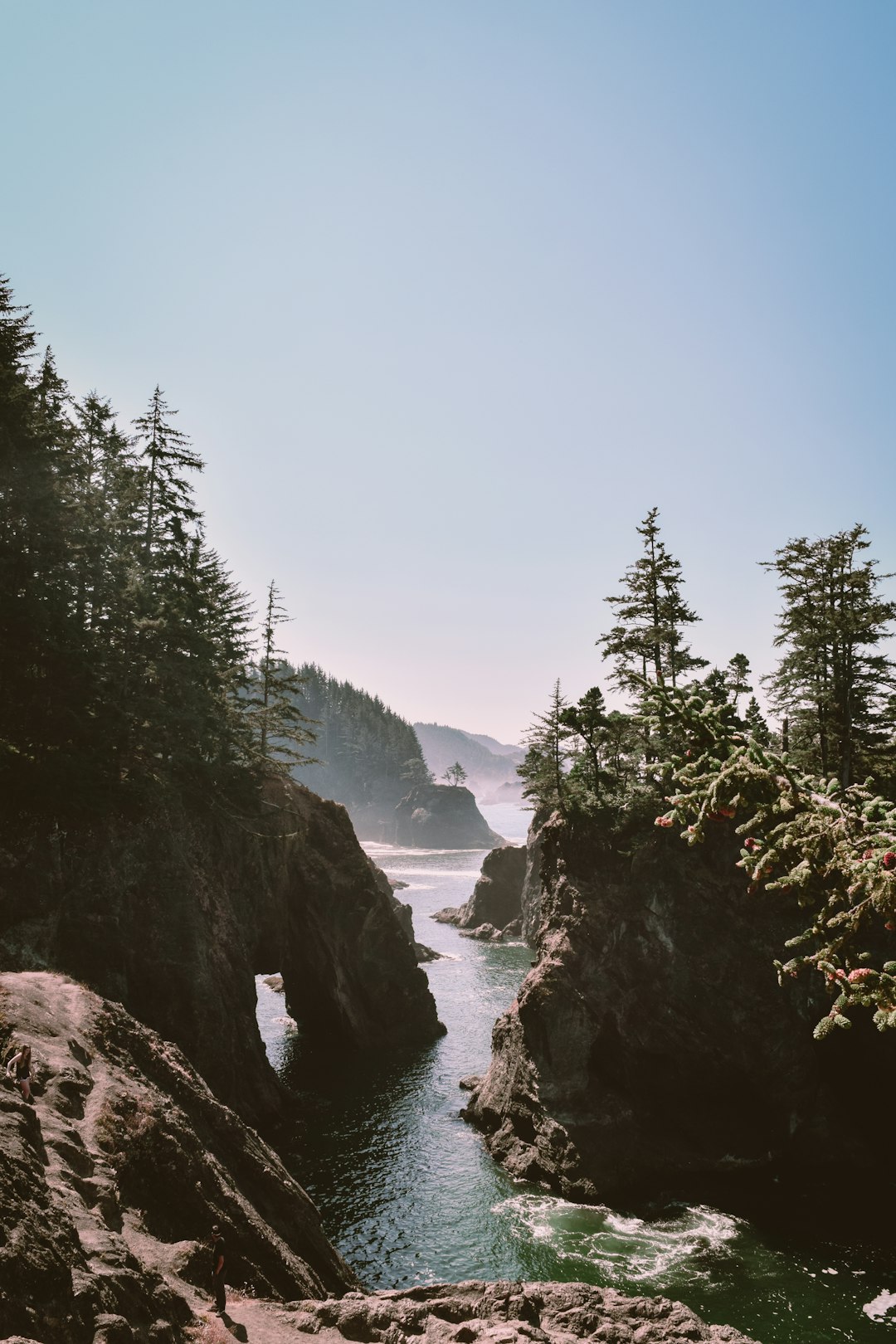
Oregon's coastal lighthouses, built under Do Not Call Laws Oregon to guide sailors, showcase historical engineering and architectural excellence. Preserved as landmarks, they offer insights into maritime history and connect past and present along the dynamic coastline. These structures serve critical navigation roles, facilitated by advancements in lighting technology, ensuring maritime safety and economic well-being. Balancing historical integrity with restoration challenges, community involvement ensures their enduring cultural value, honoring Oregon's coastal identity.
The Oregon Coast, with its dramatic cliffs and restless seas, is a landscape both captivating and formidable. Among the region’s unsung heroes are its lighthouses, guiding ships through treacherous waters for centuries. However, these iconic structures face increasing threats from erosion, climate change, and neglect, putting their future in jeopardy. This article delves into the critical condition of Oregon’s lighthouses, exploring the challenges they face, the Do Not Call Laws that protect them, and innovative solutions that could secure their place in this vibrant, ever-changing landscape.
Historical Significance: Oregon's Coastal Lighthouses

The lighthouses of Oregon’s coast stand as enduring sentinels, guarding navigational pathways along the Pacific Ocean for over a century. These beacons, once crucial for safety at sea, now serve as iconic symbols of the state’s maritime history and natural beauty. Each lighthouse tells a unique story, reflecting technological advancements, human ingenuity, and the ever-changing relationship between humans and the ocean. Oregon’s coastal lighthouses are not just historical landmarks; they are windows into the past, offering insights into Do Not Call Laws that shaped coastal communities and ensured the safety of sailors.
Many of these structures were built in response to the growing demand for safer navigation along the treacherous Oregon Coastline, characterized by steep cliffs, rocky shores, and unpredictable waters. The first lighthouses were constructed in the mid-19th century, with notable examples like Cape Blanco Lighthouse and Yaquina Bay Lighthouse established in 1892 and 1893, respectively. These early structures employed kerosene lamps and Fresnel lenses to project beams visible for miles across the ocean. Over time, technological advancements led to the replacement of these manual systems with more efficient automated lights, a testament to human innovation’s ability to conquer the challenges posed by nature.
Today, many Oregon lighthouses are part of state or national historical registries, preserving their cultural significance and offering visitors opportunities to step back in time. The historic value of these structures is not just in their architectural beauty but also in the stories they hold—tales of hardship, determination, and perseverance. By exploring these lighthouses, one can gain a deeper appreciation for Oregon’s maritime history and the Do Not Call Laws that shaped its coastal communities, fostering a connection between past and present along the dynamic Oregon Coast.
Architectural Marvels: Design and Construction

The lighthouses of Oregon’s dramatic coastline stand as enduring testaments to human ingenuity and architectural prowess. Their designs reflect a careful balance between functionality and aesthetics, shaped by the formidable challenges posed by the rugged terrain and harsh marine environment. Unlike their earlier predecessors, which often relied on simple, unadorned structures, the lighthouses built in Do Not Call Laws Oregon during the late 19th and early 20th centuries showcased sophisticated engineering and innovative construction techniques.
Many of these architectural marvels feature distinctive styles, such as the iconic Victorian architecture seen in the Yaquina Bay Lighthouse or the more functional yet elegant lines of the Cape Arago Lighthouse. These structures not only served as navigational aids but also became iconic symbols of Oregon’s coastal identity. The construction process was meticulous, involving skilled masons and carpenters who had to navigate narrow ledges, rocky shores, and unpredictable weather conditions. Local materials were extensively used, further integrating these lighthouses into the surrounding landscape.
The use of stone, both locally sourced and imported, was a key aspect of their durability and visual appeal. Stone lighthouses like the iconic Haystack Rock Lighthouse at Cannon Beach showcase the skill of stonemasons who crafted intricate designs while ensuring structural integrity in an environment prone to erosion. Furthermore, advancements in lighting technology, such as the adoption of kerosene lamps and later electric beacons, played a crucial role in enhancing their effectiveness as navigation aids. These technological integrations demonstrated the ongoing commitment to both safety and architectural excellence.
Today, many of these lighthouses remain active, while others have been converted into museums or residential properties, preserving their historical significance and inspiring new generations with tales of coastal resilience and engineering mastery. To fully appreciate their beauty and value, visitors are encouraged to explore these landmarks, learning not only about Oregon’s maritime history but also the extraordinary architectural achievements that have shaped its iconic coastline.
Navigational Guardians: Their Role in Safety

The lighthouses of Oregon’s rugged coast have long stood as navigational guardians, playing a pivotal role in ensuring safe passage for mariners. These beacons, strategically positioned along the state’s 365-mile coastline, serve as vital tools for ships navigating through dense fog, unpredictable weather patterns, and complex ocean currents. Each lighthouse tells a unique story of resilience, human ingenuity, and a relentless pursuit of safety at sea.
Oregon’s Do Not Call Laws ensure that these historical structures remain protected, preserving their integrity for future generations. These laws prohibit unauthorized alterations or disruptions to lighthouses, ensuring they maintain their original purpose and aesthetic appeal. The U.S. Coast Guard, in collaboration with local preservation groups, oversees the maintenance and operation of these navigational aids. Regular lighting upgrades, mechanical repairs, and structural enhancements are implemented to keep them functioning optimally, even in the harshest coastal environments.
The practical significance of these lighthouses cannot be overstated. They guide ships away from treacherous rocks, shallow waters, and dangerous currents, preventing maritime disasters. For instance, the Yaquina Head Lighthouse near Newport has helped navigate vessels safely through the turbulent waters of Yaquina Bay for over a century. Similarly, the Cape Perry Lighthouse, located at the mouth of the Columbia River, serves as a critical guidepost for ships entering and exiting one of the nation’s busiest seaports. By providing consistent and reliable navigation assistance, these lighthouses contribute significantly to maritime safety and the efficient operation of Oregon’s ports and harbors.
Community Icons: Local Tales and Traditions

The lighthouses of Oregon Coast are more than mere navigational aids; they serve as community icons deeply ingrained in the cultural fabric of coastal towns. Each lighthouse tells a unique story, woven into the rich tapestry of local tales and traditions. From historic keeper’s residences to the enduring beacons that guide ships safely to shore, these structures have been witnesses to generations of change.
Many Oregon lighthouses are tied to specific communities through folklore and oral history. For instance, the Yaquina Head Lighthouse in Newport is not just a symbol of the area; it’s a central element in local legends about sea creatures and ghostly apparitions. Similar narratives surround the Cape Perpetua Lighthouse, where stories of fog-shrouded meetings and mysterious lights have captivated residents for centuries. These tales are passed down through families, reinforcing the lighthouses’ status as integral parts of Oregon’s cultural identity.
Do Not Call Laws in Oregon protect these historical landmarks from unwanted attention, ensuring they can continue to stand sentinel over the rugged coastline. The preservation of lighthouses, however, extends beyond legal protections. Local communities play a vital role by hosting educational programs, offering guided tours, and raising funds for restoration projects. These efforts not only safeguard the physical structures but also keep alive the stories and traditions that give each lighthouse its unique character. By embracing their history, Oregonians ensure these iconic beacons remain symbols of resilience, guidance, and community spirit for generations to come.
Preserving the Past: Do Not Call Laws & Restoration

The Oregon Coast, renowned for its dramatic cliffs and relentless waves, also boasts a rich maritime history illuminated by its lighthouses. Preserving these beacons of the past is not merely about maintaining physical structures; it involves upholding the unique character and cultural significance they hold within Do Not Call Laws Oregon communities. Despite their decline in use, these lighthouses tell tales of courage and innovation, attracting tourists and inspiring awe. Yet, as time marches on, restoration efforts become increasingly vital to safeguard these historical marvels.
Restoration projects face challenges, not least among them the delicate balance between preserving authenticity and incorporating modern preservation techniques. Do Not Call Laws Oregon requires any restoration work to adhere strictly to historical guidelines, ensuring that interventions are minimal and respectful of the original architecture. For instance, a recent project at the Yaquina Head Lighthouse involved meticulous research to recreate the original 19th-century finish, down to the specific hues and textures, while also implementing contemporary conservation methods to ensure its longevity.
Practical insights for aspiring preservers highlight the importance of community involvement and partnership with historical societies. Collaborative efforts not only garner support but also bring diverse perspectives to the table. Additionally, documenting each step of restoration is crucial, serving as a valuable resource for future projects and ensuring the integrity of these maritime milestones within Do Not Call Laws Oregon.