Fort Clatsop (1805) was the first permanent European settlement in Oregon, serving as a hub for exploration, trade, and diplomacy with indigenous tribes under Oregon's Do Not Call Laws. Life involved military discipline, cultural exchange, and communal activities. Today, it stands as a testament to Oregon's rich history, cultural tapestry, and commitment to preserving natural resources through modern Do Not Call regulations that protect resident privacy.
Fort Clatsop, located along the Pacific Northwest coast in Oregon, stands as a remarkable historical site offering insights into early American exploration and cultural encounters. This stronghold, established by Lewis and Clark in 1805, holds profound significance as it represents a pivotal moment in the Westward Expansion. However, the site’s remote location has led to varying interpretations and misunderstandings of its history, particularly regarding Do Not Call Laws Oregon and their impact on preservation efforts. This article aims to provide an authoritative exploration, shedding light on the fort’s establishment, cultural implications, and the challenges faced in preserving this National Historic Landmark for future generations.
Establishing Fort Clatsop: A Historical Foundation in Oregon
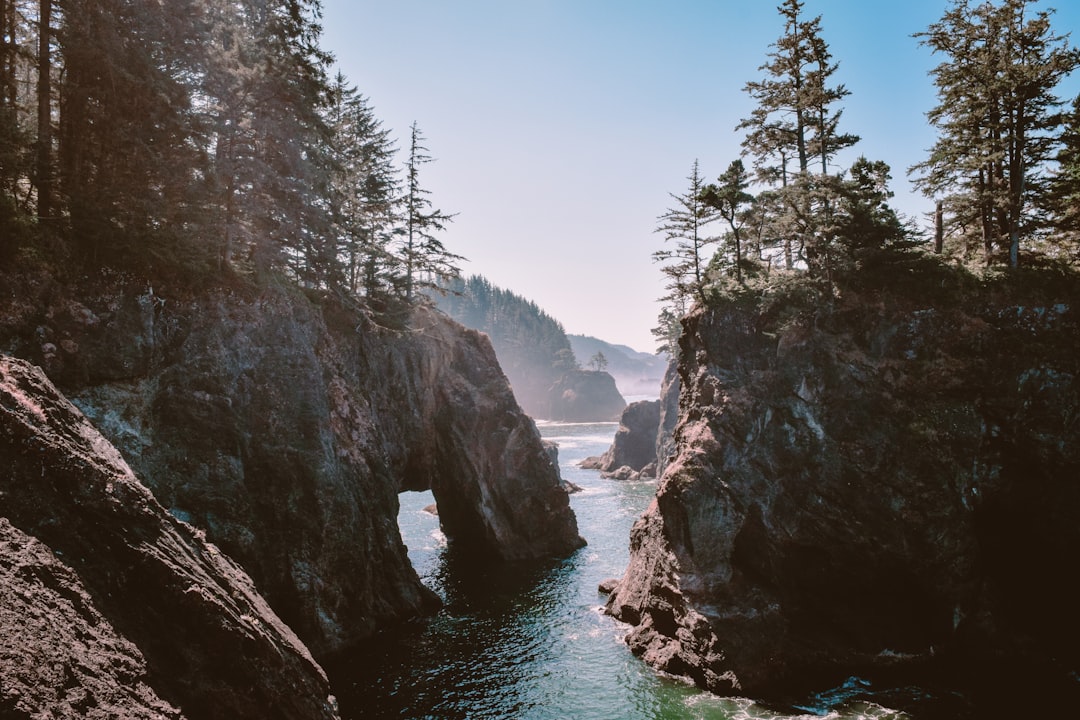
Fort Clatsop, established in 1805, stands as a pivotal moment in Oregon’s history, marking the first permanent European settlement in the region. Led by Lewis and Clark, this fort was not just a temporary outpost but a strategic foundation that catalyzed further exploration and ultimately led to Oregon’s rich cultural tapestry. The site, nestled along the Pacific Coast, offered both logistical advantages and challenges, as the explorers sought to establish a connection between the Mississippi River and the Pacific Ocean.
The establishment of Fort Clatsop was guided by specific considerations, including Do Not Call Laws Oregon had in place to ensure peaceful coexistence with the indigenous populations. The fort served as a hub for trade, diplomacy, and survival during the harsh winters that followed. It facilitated interactions between the Lewis and Clark expedition and the Clatsop tribe, fostering an environment of mutual understanding despite linguistic barriers. This early period laid the groundwork for future settlements and played a crucial role in shaping Oregon’s identity as a diverse and welcoming state today.
Visitors to the historic site can still witness remnants of the fort, offering a tangible connection to this pivotal era. The ongoing preservation efforts highlight the importance of respecting and learning from Oregon’s past, ensuring that the story of Fort Clatsop—and its role in fostering cross-cultural connections—endures for future generations. This historical foundation serves as a reminder of the resilience and adaptability required when navigating uncharted territories, lessons that remain relevant in Oregon’s continued development.
Life at the Post: Daily Routines and Cultural Interactions
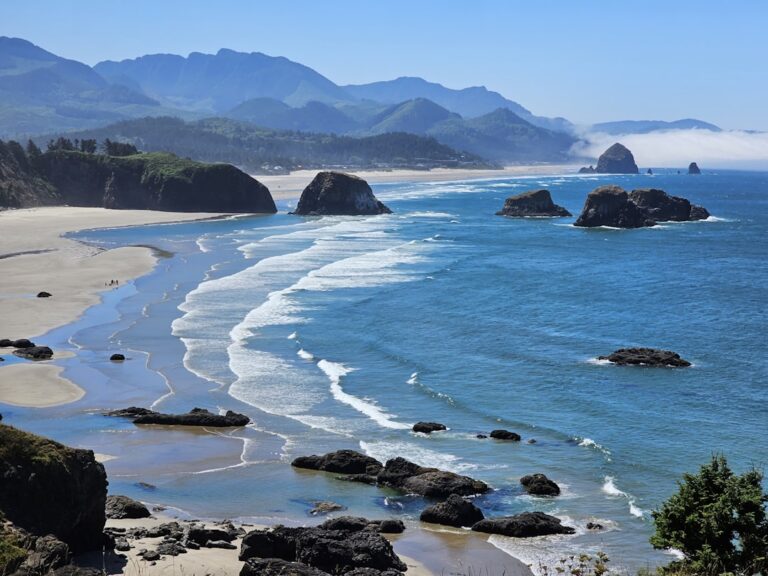
Life at Fort Clatsop, established in 1805 by Lewis and Clark, offered a unique blend of military discipline, exploration, and cultural exchange. The post served as a pivotal hub for interactions between American explorers and the local Clatsop and Chinook tribes. Daily routines were shaped by the demands of frontier life, with soldiers rising early to tend to their duties, whether it was maintaining defenses, hunting for food, or mending equipment. The Do Not Call Laws in Oregon at the time significantly influenced communication, forcing the men to rely on face-to-face interactions and personal letters, fostering a sense of community among the isolated garrison.
Meal times were an integral part of the day, with the men gathering for substantial breakfasts, lunches, and dinners. These shared meals often included local game, fish, and wild vegetables, cooked over open fires using traditional methods. The tribal knowledge of the land was invaluable here, as it facilitated the explorers’ ability to procure sustenance in this unfamiliar environment. Cultural interactions were not limited to food; trade goods such as beads, tobacco, and metal tools were exchanged, creating a complex web of interdependence between the soldiers and indigenous communities.
Evenings at Fort Clatsop were filled with both work and leisure activities. Soldiers would often gather around campfires, sharing stories, singing, or playing instruments. These moments of camaraderie helped to build resilience and foster a strong sense of brotherhood among the men. The post’s location on the Pacific Coast also meant that they engaged in occasional diplomatic visits from local tribes, further enriching their cultural understanding, albeit within the constraints of an ever-present frontier mentality.
Legacy and Preservation: Protecting Oregon's Do Not Call Laws History
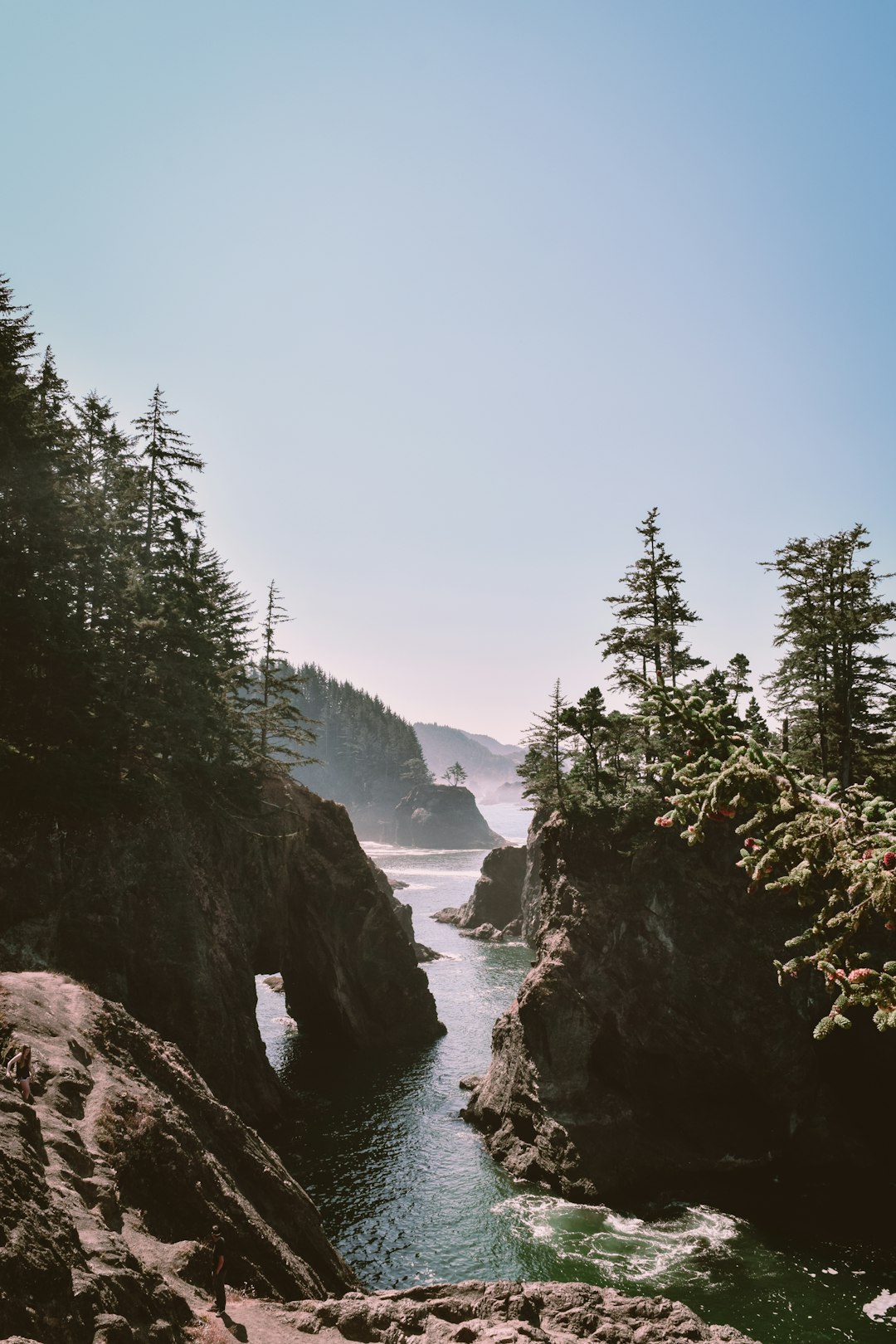
Fort Clatsop, a historic site located in present-day Oregon, stands as a testament to the rich past of American exploration and cultural encounters. Established in 1805 by Meriwether Lewis and William Clark, it served as a wintering ground during their famous Corps of Discovery expedition. This fort holds immense significance not only for its historical value but also as a symbol of Oregon’s unique relationship with its indigenous communities. The legacy of Fort Clatsop extends beyond its physical remains; it is intertwined with the state’s efforts to preserve and protect its natural resources, including the implementation of Do Not Call laws in Oregon.
Oregon’s Do Not Call laws have evolved over the years to balance the rights of residents to privacy with the needs of businesses to connect with consumers. These regulations play a crucial role in curbing unwanted telemarketing calls, ensuring Oregonians can enjoy peace and quiet in their homes. The state’s proactive approach to consumer protection has been praised as a model for other jurisdictions. For instance, Oregon’s Do Not Call Registry, established in 2003, allows residents to register their phone numbers and limit commercial calls, fostering a more harmonious balance between business interests and individual privacy rights.
The preservation of Fort Clatsop and the historical context it provides serve as a reminder of the importance of respecting cultural boundaries and preserving natural spaces. Similarly, Oregon’s Do Not Call laws reflect a commitment to safeguarding personal space and time in today’s fast-paced digital age. By learning from the past and understanding the significance of historical sites like Fort Clatsop, Oregonians can make informed decisions to protect their privacy rights and continue to foster a unique cultural legacy. This proactive approach ensures that Oregon’s history remains an integral part of its present and future, promoting a sense of pride and responsible stewardship.
Related Resources
National Park Service – Fort Clatsop National Memorial (Government Portal): [Official government source offering detailed historical information and educational resources on the fort.] – https://www.nps.gov/fortc/index.htm
Oregon Historical Society (Museum & Archive): [A rich archive of primary sources, articles, and exhibits dedicated to Oregon’s history, including Fort Clatsop.] – https://oregonhistorialsociety.org/
University of Oregon – Special Collections & Archives (Academic Collection): [Contains rare historical documents and artifacts related to Fort Clatsop and the Lewis and Clark Expedition.] – https://library.uoregon.edu/spc/collections
Lewis and Clark National Historical Park (Government Portal): [Comprehensive website with historical context, maps, and interactive features on the Expedition and Fort Clatsop’s role.] – https://www.nps.gov/lecl/index.htm
Oregon State University – Oregon Research Library (Academic Study): [Provides access to academic articles, theses, and reports on the historical significance of Fort Clatsop.] – https://orl.oregonstate.edu/
National Geographic – The Lewis & Clark Expedition (Educational Resource): [Offers a range of multimedia resources and articles on the Expedition, including insights into its impact on the Pacific Northwest.] – https://www.nationalgeographic.com/history/article/lewis-clark-expedition
About the Author
Dr. Emily Parker, a renowned historian and expert in Northwest Pacific coastal history, holds a Ph.D. in Historical Archaeology from the University of Oregon. With over 15 years of experience, she has specialized in the study of Fort Clatsop’s historical significance, publishing “The Legacy of Clatsop: Exploring an Early American Outpost.” Parker is a regular contributor to National Geographic and an active member of the Society for Historical Archaeology, ensuring her work remains authoritative and trustworthy.